Quick answer
Who manaschi are, why epic performance is more than recitation, and how a living oral tradition preserves identity.
Manas is not simply a long book
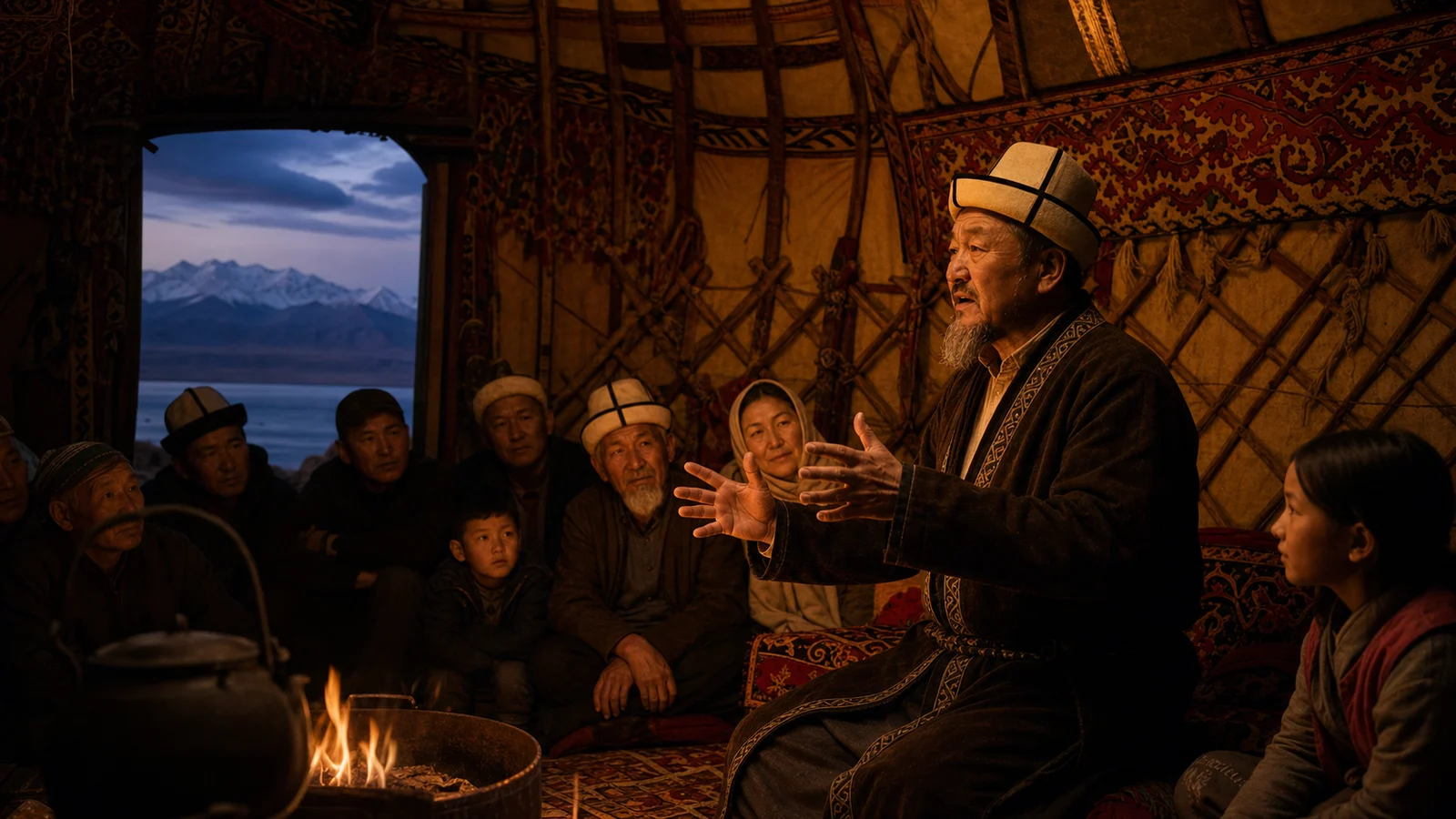
The Manas epic was transmitted orally for centuries. Manaschi do more than recite memorised lines: voice, rhythm, gesture and improvisation turn a narrative into a shared event. UNESCO describes Kyrgyz epic tellers as bearers of an art combining storytelling, improvisation and musical composition.
Different tellers preserve different versions. That variation is not a damaged copy; it is a defining feature of oral culture. Sagymbay Orozbakov’s version was written down between 1922 and 1926 in ten manuscript books. In 2023 it entered UNESCO’s Memory of the World register, safeguarding an important record at a time when the social setting of oral transmission was changing.
Stories about a manaschi’s calling often include a powerful dream in which epic heroes appear. These accounts are part of the cultural model of becoming a teller. They cannot be verified as supernatural events, but they express the performer’s responsibility to the epic and community.
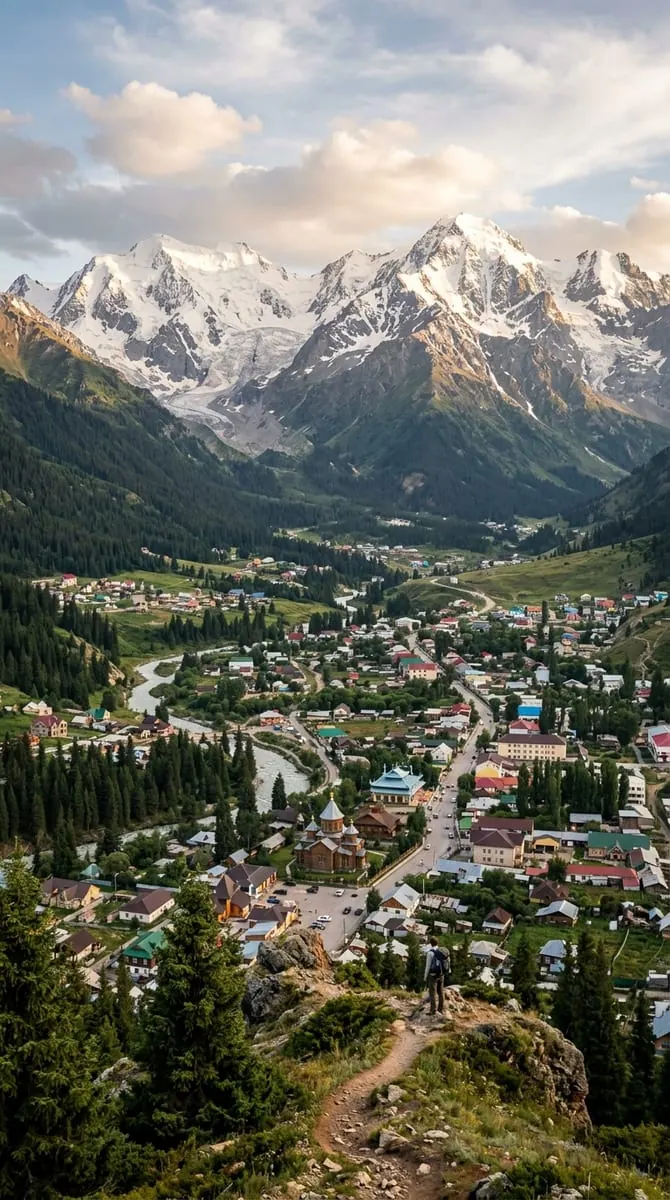
Ask before recording a performance and do not treat a manaschi as a photo prop. Even without Kyrgyz, listen for pace, breath, character voices and audience response. Combine the experience with Karakol heritage places or request a local cultural programme.
Sources: UNESCO — art of Kyrgyz epic tellers, UNESCO — Sagymbay Orozbakov manuscript.
_Updated 29 July 2026._
Plan your trip
Find a stay and experiences in Karakol
Compare options and send an enquiry right on the site.